Madame Elfrida Clagg
Fantastic Beasts and Where to Find ThemMadame Elfrida Clagg was a successor to Burdock Muldoon who sought to build closer ties between magical creatures and the Wizards’ Council by redefining who qualified as a “being.” Her language-based test widened formal inclusion, but the disputes around it showed that recognition by the Council was not the same as consent to its terms or participation in its governance.
A New Test for Membership
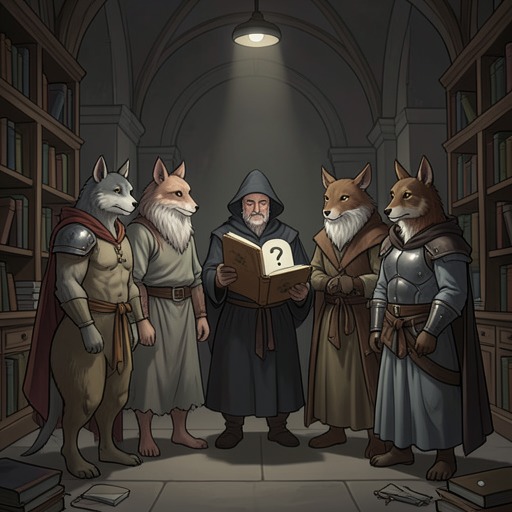
Clagg declared that “beings” were creatures able to speak the human tongue. Under this rule, any creature that could make itself understood to Council members was invited to attend the next meeting. Unlike Muldoon’s earlier approach, which had placed centaurs among the “beasts,” Clagg’s definition classified them as “beings.”
The proposal treated intelligible speech as a threshold for entry into political discussion. Yet the rule depended on communication with Council members, making access conditional on a form of expression the Council could understand. Its promise of closer ties therefore came with a built-in limit: being invited to speak did not ensure that a creature’s interests, preferred language, or political wishes would be accommodated.
The Council Meeting and Its Limits
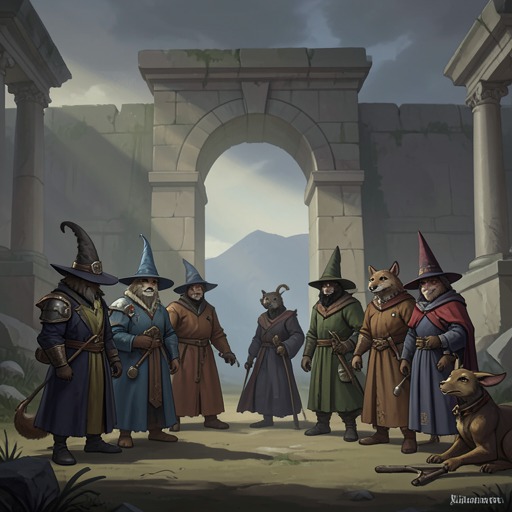
The next meeting again ran into trouble. Trolls taught a few simple sentences by goblins proceeded to destroy the hall, revealing how easily a narrow language test could admit creatures without ensuring that the gathering could accommodate them. Clagg’s effort to widen participation thus repeated the Council’s practical difficulties, even as it changed the grounds for inclusion.
Centaurs, newly defined as “beings” after having been classified as “beasts” under Muldoon, refused to attend in protest at the exclusion of merpeople. Above water, merpeople could converse only in Mermish, so Clagg’s test did not translate their capacity to communicate into access on equal terms. The centaurs’ refusal made the problem more than a question of classification: a group granted the new status could reject a meeting that excluded another community.
From Classification to Self-Government
The broader debate did not end with Clagg’s definition. In 1811, Grogan Stump decreed that a “being” was any creature capable of understanding and taking responsibility for the law, establishing a different criterion from the ability to speak human language. Ghosts were treated as an exception; at their request, Stump placed them in a separate Spirit Division, alongside the Beast and Being divisions of the Department for the Regulation and Control of Magical Creatures.
Centaurs later objected to sharing “being” status with creatures such as hags and vampires and declared that they would manage their own affairs separately from wizards. Merpeople made the same request a year later. The Ministry of Magic accepted both demands reluctantly. Although a Centaur Liaison Office exists in the Beast Division, no centaur has ever used it; within the department, being sent to that office became an in-joke meaning that the person sent there was about to be fired. Clagg’s attempt at inclusion belongs to a longer history in which official categories repeatedly failed to settle who should speak, on whose terms, and under whose authority.